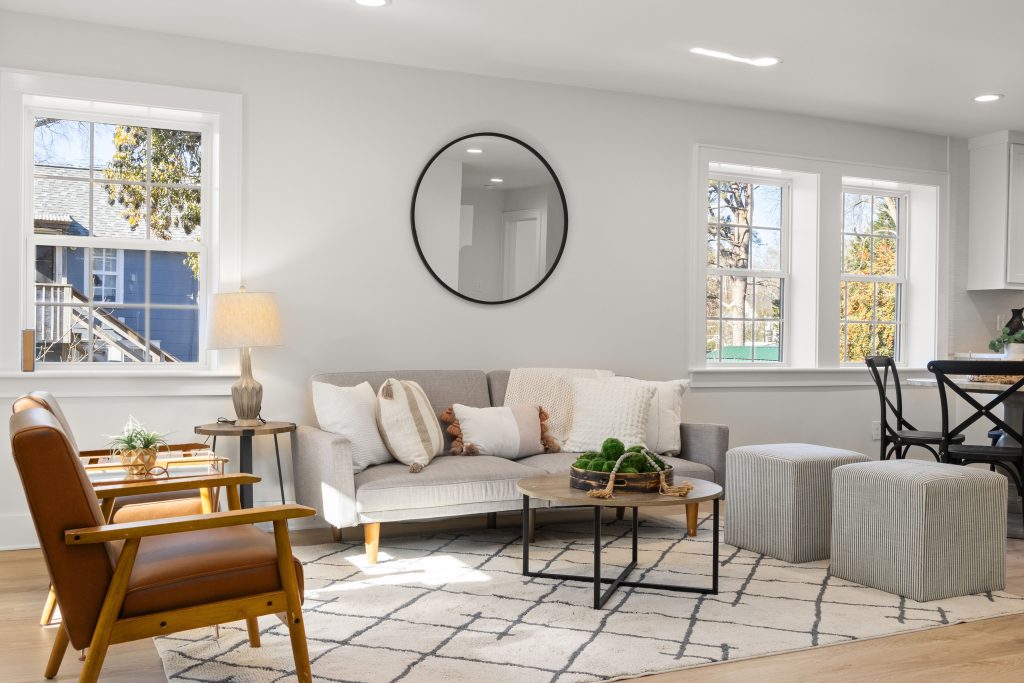
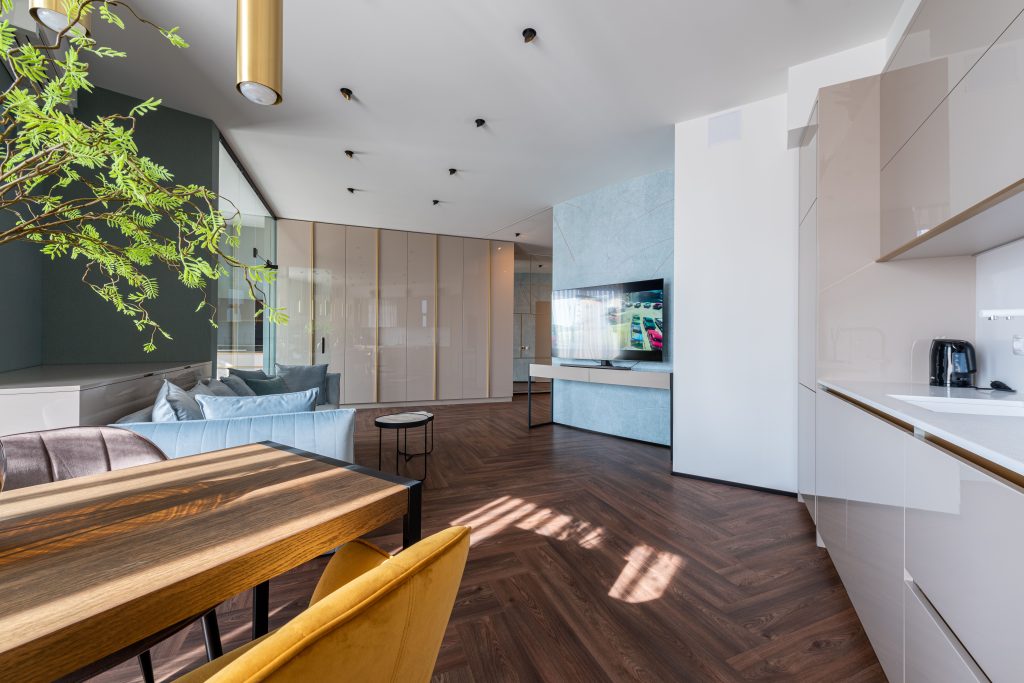
Ask people across the country what they’ve been doing to their homes lately, and the answers tend to sound surprisingly similar no matter where you are. Someone’s repainting a bedroom. Someone else finally built the raised garden bed they’d been talking about for two summers. A neighbor added string lights and a fire pit to a backyard that used to just be grass and a lawn mower.
It’s not about chasing a magazine-perfect renovation. It’s about making the space you already have work harder for actual daily life. And somewhere in the middle of most of these projects, whether it’s a gallon of paint, a set of planters, or a smart doorbell, Home Depot US tends to be where people end up. Not because it’s flashy, but because it’s dependable, you can usually find what you need without much hassle.
Here’s a closer look at what’s actually shaping American homes this year.
1. DIY That’s Gotten More Ambitious
DIY culture in the US has shifted from “fix what’s broken” to “build what I actually want.” Homeowners are refinishing old shelving, building their own raised garden beds, and tackling small renovation projects that would have gone straight to a contractor a few years ago. Recent industry data shows roughly a quarter of US homeowners are handling projects entirely themselves, with another quarter taking a hybrid approach, buying the materials directly and hiring out just the labor.
That hybrid mindset is a big part of why Home Depot US shopping trips have become such a routine part of weekend planning. Whether it’s a full project or just the materials for one, having everything under one roof removes a lot of the friction that used to make DIY feel intimidating.
2. Backyards Built for Real Life, Not Resale
For a long time, outdoor renovations were largely about resale value, updates made with a future buyer in mind rather than the current household. That’s flipped. Recent outdoor trends research shows the share of homeowners renovating specifically to make their space more livable has climbed, while those renovating purely for resale value has dropped. Backyards are becoming true extensions of the home: outdoor kitchens, defined seating zones, and quiet corners meant for a morning coffee rather than a big weekend party.
Families searching for home improvement trends US 2026 content are increasingly landing on exactly this shift, patios and decks treated as genuine living space, not just an afterthought behind the house.
3. Smart Home Tech as the New Baseline
Smart home devices have quietly stopped being a novelty and started being an expectation. Smart thermostats, video doorbells, app-controlled lighting, and automated security systems are showing up in a huge share of new projects, not because homeowners are chasing gadgets, but because the convenience and energy savings are hard to ignore once you’ve tried them. Even outdoor spaces are getting the same treatment, with connected irrigation and outdoor lighting systems becoming increasingly common.
4. Wellness-Focused Remodels
Bathrooms and primary bedrooms are getting a noticeably different kind of upgrade this year, less about flash, more about actually decompressing at the end of a long day. Rainfall showers, heated floors, and freestanding tubs are trending alongside more practical additions like better lighting and improved storage. Some households are going further, carving out space for home gyms or small meditation corners, reflecting a broader shift toward homes that support daily wellbeing, not just daily function.
5. Energy Efficiency That Actually Pays for Itself
Rising utility costs have pushed energy efficiency from a nice-to-have into one of the most common renovation motivations nationwide. High-efficiency windows, better insulation, and Energy Star rated appliances are consistently topping renovation wish lists, not for environmental points alone, but because the monthly savings are tangible enough to notice.
6. Aging-Friendly Upgrades on the Rise
A generational shift is shaping a quieter but significant trend: walk-in showers, wider doorways, and grab bars are increasingly common requests, as more households plan renovations around aging in place rather than eventually moving. It’s less about a dramatic remodel and more about small, practical adjustments that keep a home livable and safe for years longer.
7. Color and Personality Making a Comeback
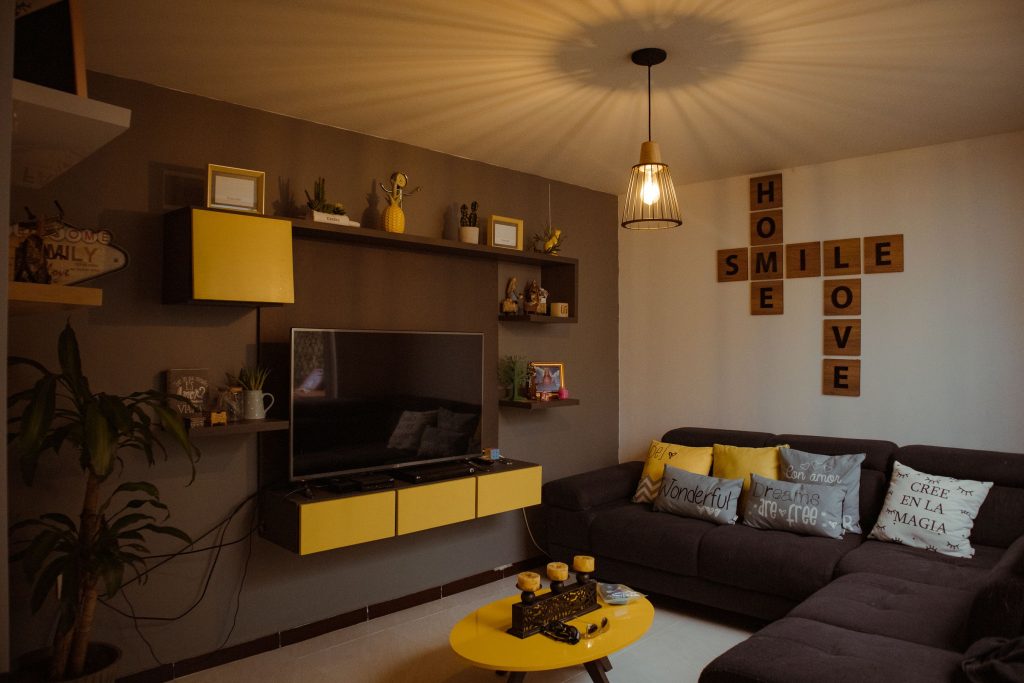
After years of all-white, minimalist interiors dominating design trends, homeowners are leaning back into color and texture. Bold accent walls, patterned tile, and warmer palettes are showing up across kitchens, bathrooms, and living rooms. Paint remains one of the simplest, lowest-cost ways to make that shift, which is a big part of why it consistently ranks among the most common home projects nationwide.
8. Landscaping and Low-Maintenance Gardens
Landscaping continues to be one of the most planned projects across the country, and a lot of that interest is shifting toward lower-maintenance, climate-conscious choices, native plants, drought-tolerant landscaping, and small edible gardens tucked into whatever space is available, whether that’s a backyard bed or a few containers on a patio.
The Bottom Line
None of this points to one single “right” way to improve a home. It’s dozens of small, practical decisions, a fresh coat of paint here, a smarter thermostat there, a backyard that finally gets used instead of just mowed. What ties it together is a shift toward homes that genuinely work for the people living in them, not homes built to impress. And for the tools, materials, and small upgrades that make those changes possible, Home Depot US remains one of the most consistent starting points for families figuring out where to begin.